The cycling approach is conservative given the lack of long-term human injectable data. A standard vial holds about 3 mL of liquid, so 3 mL is the most a 100 mg vial takes , 33.3 mg/mL,; for the 50 mg vial, the 2 mL row is the alternative dilution documented in the GHK-Cu Reconstitution Guide. Body-weight-scaled dosing is not documented for this peptide the way it is for some others.
Many researchers report the best facial results from combining systemic injection with targeted topical application. Start with 0.5-1mg daily if injecting, or a 1-2% topical product applied once daily. Learn troubleshooting strategies in our guide on copper peptide issues. If you know you will use GHK-CU long-term, 100mg vials often offer better value than 50mg vials. Cost per milligram typically decreases with larger vial sizes. Always freeze lyophilized vials immediately upon receipt.
As a signaling molecule, it tells skin cells (fibroblasts) to ramp up production of collagen, elastin, and the moisture-binding molecules that keep skin plump. This is why researchers describe it less as a drug and more as a restoration of something the body already uses and gradually loses. GHK-Cu is a copper-binding tripeptide, three amino acids (glycine, histidine, and lysine) bound to a single copper ion. A short visual overview of the GHK-Cu copper peptide — what it is and why it is used for skin and repair.
A tiny three-amino-acid peptide from alpha-MSH studied for calming inflammation. It is not medical advice, a diagnosis or a treatment https://buyklowpeptide.com/ plan. What a course of GHK-Cu actually costs (worked from list price and the amount in the schedule above), plus the whole vials a 12-week run would take.

What injectable GHK-Cu dose do protocols typically use?
Mention copper peptides in a dermatologist’s office and you’ll get either a knowing nod or a flat dismissal. In comparative ex-vivo and clinical trials, topical copper peptide solutions routinely match the efficacy of Minoxidil for hair regeneration without the cardiovascular side effects. While topically applied GHK-Cu is highly effective for localized dermal remodeling (systemic administration via subcutaneous injection is utilized in clinical protocols to target widespread inflammation), systemic wound healing, and epigenetic modulation. It acts as a master cellular signaling molecule for tissue repair — suppressing inflammation and triggering collagen synthesis. When applied topically or injected systemically following injury, it recruits immune cells to clear out damaged, cross-linked proteins , scar tissue, and commands local fibroblasts to lay down highly organized Type I collagen.
Most published GHK-Cu research is on topical creams and serums for skin. What GHK-Cu injection dosage per day is reported? This is educational only, not medical advice and not a prescription. However, some users on thyroid medication have reported T3 changes when combining GHK-Cu with other compounds. When those two sit with BPC-157 in one cake, people usually call it KLOW.
Collagen Synthesis & Skin Anti-Aging
The single most important due-diligence step when sourcing GHK-Cu (copper tripeptide) for research is reviewing the lot-specific Certificate of Analysis (COA). The apo-peptide , GHK without copper, has substantially less activity in most published assays. Every article is reviewed by PX1’s in-house analytical team for accuracy on mechanism (dosing ranges reported in the literature), and lab-handling guidance.
It has been observed that with increasing age, the GHK levels in plasma significantly decrease, which underpins much of the anti-aging discussion surrounding it. The numbers presented are figures sourced from referenced materials and should not be interpreted as personal advice. Human skin and wound research involved specific cream or gel formulations applied topically over several weeks, with small studies noting variations in skin appearance, barrier function, or wound healing; these formulations and outcomes differ greatly.
Topical cosmetic use has a far better-established safety profile than injection. The figures above are community-reported research protocols, not medical advice. A ghk-cu peptide injection delivers the copper peptide subcutaneously rather than applying it to the skin surface, which some researchers use for a systemic rather than purely local effect. Topical use in skincare is well established; injectable use is off-label or investigational — and results vary. Restoring GHK (through topical or injectable copper peptide GHK-Cu), is the central idea researchers have pursued for decades.
GHK-Cu + BPC-157 + TB-500 blend dosage chart for 70 mg and 42 mg vials. A single compound addresses skin aging (hair loss), wound healing, and systemic inflammation through well-documented molecular pathways. No serious adverse events have been reported in published human trials of topical GHK-Cu. Expect subtle early changes that compound over months into visible improvement.
Primary Therapeutic Endpoints
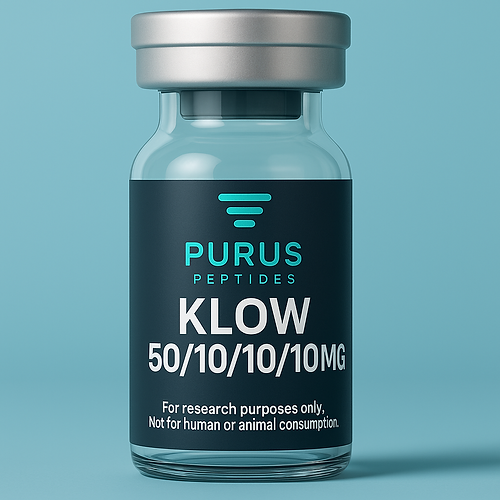
Introducing standalone GHK-Cu results in a doubling of both the copper peptide and copper content without any established protocol for the combination. Whether your GHK-Cu is contained in KLOW or the GHK-Cu/Epitalon vial (the 2 mg remains consistent), yet the schedule and accompanying components differ, with the blend prescription taking precedence. The discovery of the tripeptide in human plasma occurred in 1973, with a subsequent 1977 publication attributing to it a serum factor that enabled aging liver tissue to produce proteins similarly to that of younger tissue. A U-100 insulin syringe is calibrated in units (containing 100 units per milliliter), with these units measuring volume rather than peptide quantity.