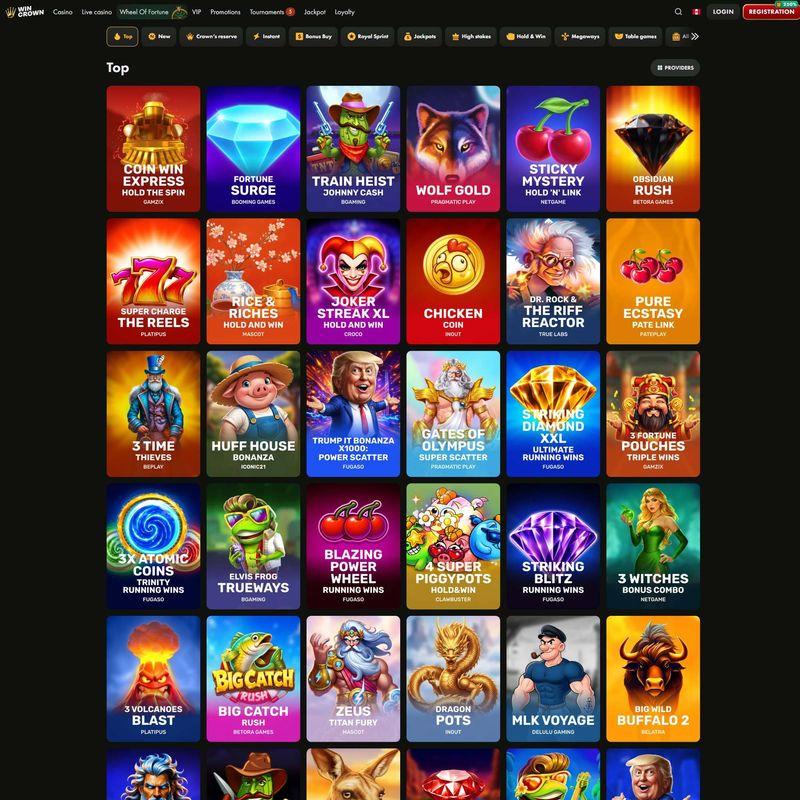
Game information pages are useful only when they separate confirmed facts from promotional descriptions. At Crowngreen, public material points to a broad lobby containing slots, table games, live dealer titles and instant-win products, but availability may vary by market and account. For New Zealand readers, the first task is not choosing the most attractive title. It is checking whether the information applies to your jurisdiction, then comparing the game type, provider, rules, return information and bonus conditions without treating review listings as guarantees.
What should a game information page tell you?
A useful page should identify the game’s format before making claims about its appeal. Common categories include online slots or pokies, roulette, blackjack, baccarat, poker, bingo, keno, scratch cards, jackpot games and dice titles. Live dealer games should be distinguished from automated versions because the presentation, table limits and betting process may differ. A category label is only a starting point, not evidence that every title in that group is available to a particular account.
The provider name is another important detail. Reported listings refer to studios such as Play’n GO, Pragmatic Play, Evolution, NetEnt, Microgaming, Yggdrasil, Playtech, BGaming, Playson and several others. This can help a reader recognise a familiar design or find a particular type of game, but provider lists should be treated as selections rather than a complete catalogue. A page may show a studio as part of the wider lobby even when some titles are restricted by location, currency or licensing arrangements.
Good game information also gives practical details: the number of reels or cards, available bet range, feature triggers, jackpot conditions, demo or preview limitations, and whether the game has live interaction. If return-to-player information or volatility is shown, read it as a mathematical description rather than a prediction. Short sessions cannot prove that a game will produce a particular result, and no feature list changes the underlying chance of losing money.
How can you compare slots, tables and live games?
Start by deciding what kind of decision you are making. If you want variety and short individual rounds, slots and instant-win titles may be easier to browse. If you prefer recognisable rules and a more deliberate pace, blackjack, roulette or baccarat may be more relevant. Poker, bingo, keno and scratch cards each use different rules and winning structures, so comparing them only by headline prize or visual design can be misleading.
Within slots, filters such as “Hot RTP”, “Best Slots”, “Bonus Friendly”, “Instant Win” and “Jackpot Games” may help narrow the lobby. They should not be read as recommendations or promises. “Bonus Friendly”, for example, may describe how a title contributes to wagering rather than how generous it is. A jackpot label may indicate a separate prize mechanism, while a high-RTP label still does not guarantee a positive result in a single session.
Live dealer tables deserve a separate comparison. Roulette, blackjack and baccarat can be streamed with a dealer, while other live formats may include poker-style or game-show presentations. Check whether the page explains table limits, side bets, game rules and the contribution of each wager type to any promotion. For independent background on gambling information and regulation in New Zealand, readers can consult New Zealand Department of Internal Affairs gambling information.
Which details need checking before a game is selected?
Jurisdiction is the first condition. The available material is inconsistent about whether people in New Zealand are accepted: one New Zealand-facing description says they are, while the published restricted-country material includes New Zealand. That conflict means a game listing cannot establish eligibility. The live terms, registration controls and account-specific access are more relevant than an affiliate page or an old review. Do not assume that a visible title can lawfully be played from your location.
Currency and payment conditions may also affect how a game page should be understood. Public descriptions differ over whether accounts use NZD, EUR, USD or other currencies, and some material says local deposits may be converted into a base currency. A displayed stake may therefore not represent the final cost in New Zealand dollars. Before relying on a minimum stake, jackpot amount or balance display, check the cashier and account terms that apply to your location.

Finally, consider whether the title is included in promotional wagering. The general terms reportedly state a standard 40-times bonus wagering requirement unless an individual offer says otherwise. Slots may contribute fully, whereas some table and card games contribute only a small percentage or nothing at all. A game page that looks attractive for a bonus can therefore behave differently from a cash play session. Read the specific promotion rules, maximum-bet conditions and expiry period before activating anything.
How do filters improve game discovery without replacing judgement?
Filters are most useful when they answer a clear question. Use a provider filter when you want to compare familiar production styles. Use a category filter when you already know whether you prefer slots, tables, live games or instant wins. A feature filter can narrow choices to jackpot, hold-and-win, bonus-buy or scratch-card formats. Applying one or two filters at a time is usually more informative than selecting every promotional label together.
Search results can still be incomplete. A lobby may display a title in a general catalogue even though it is blocked for a New Zealand account, unavailable in a selected currency or removed while the operator updates its supplier agreement. Similarly, a named game such as Book of Dead or Sweet Bonanza 1000 may appear in published listings without proving current access. Treat the live lobby as the final practical check, and do not regard a search result as a promise of availability.
For a more balanced comparison, make a short note for each title covering its game type, provider, stake range, rule complexity, return information and any restrictions. Then separate factual observations from personal preferences. “Uses a bonus-buy feature” is a description; “is better value” is an opinion that cannot be established from the page alone. This approach keeps discovery useful while reducing the risk of choosing a game because of a headline or promotional badge.
What should you do when game information conflicts?
Conflicting information is not unusual when pages were prepared at different times or for different markets. Game counts, provider names, currency details, promotional labels and available filters can change. A New Zealand-facing review may describe one lobby while the operator’s current terms apply another set of restrictions. The safest approach is to rank sources: current account and game pages first, current terms next, and independent listings only as background.
When two descriptions disagree, record the precise point of difference rather than choosing the more attractive version. For example, ask whether the disagreement concerns the title’s existence, its local availability, its currency, or its bonus contribution. These are separate questions. A game may exist in the wider catalogue but not be available to a particular account; it may also be available while being excluded from a promotion.
If the live information remains unclear, avoid making a deposit or activating an offer merely to test access. Ask support for the applicable jurisdiction, game and promotion rules, and keep the response with your own records. Also check age and account requirements: the published terms require users to be at least 18, use accurate details and maintain only one account. Those conditions do not confirm New Zealand eligibility, so that question still needs a direct, current answer.
Game information page FAQs
Does a listed game prove it is available in New Zealand?
No. A catalogue, review or provider list may cover several markets. Availability can depend on jurisdiction, account status, currency and current supplier arrangements. Check the live lobby and applicable terms, particularly where published material gives conflicting information about whether New Zealand residents are accepted.
Is a high RTP label a guarantee of better results?
No. Return-to-player is a long-term statistical concept, not a forecast for one session. It does not remove variance or guarantee a profit. Check whether the figure applies to the exact game version, and avoid interpreting labels such as “Hot RTP” as personal recommendations.
Why might a table game be unsuitable for a bonus?
Promotions often assign different wagering contributions to game categories. Slots may count fully, while blackjack, roulette, baccarat or other table games may count partly or not at all. The individual offer rules control the result, so read contribution rates, maximum bets and expiry conditions before playing with bonus funds.